
Is plumbing damage covered by homeowners insurance?
By Aisha Abbott · Updated 2026-06-17
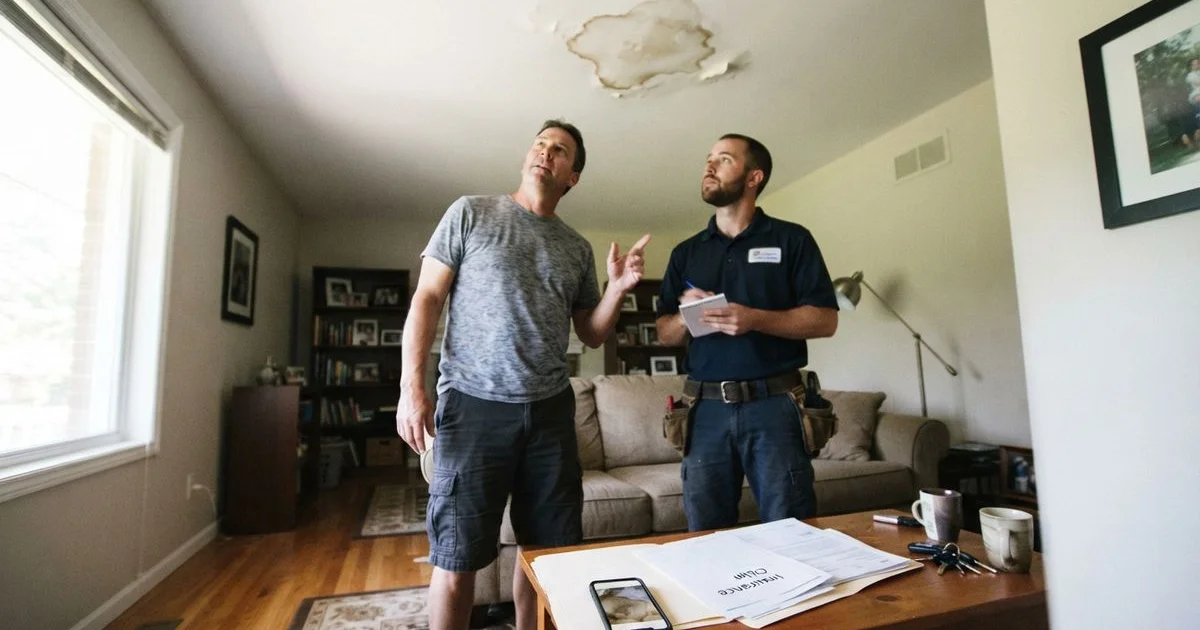
Homeowners assume a burst pipe or a flooded basement is automatically covered, and sometimes it is not, or only partly. The distinction insurers draw between sudden damage and gradual damage catches a lot of people off guard. This is general information, not a substitute for reading your actual policy or talking to your insurance agent about your specific coverage.
Sudden vs. gradual damage
Most homeowners policies cover damage that is sudden and accidental: a pipe that bursts without warning, a water heater tank that fails suddenly, a supply line that ruptures. What they typically exclude is damage from a problem that developed slowly and went unaddressed, like a slow drip behind a wall that caused mold over several months. Insurers view the second category as a maintenance failure, not an accident.
What is usually covered
| Scenario | Typically covered | Typically excluded |
|---|---|---|
| Pipe bursts suddenly, causes flooding | Water damage repair | Sometimes the pipe repair itself |
| Water heater fails suddenly | Water damage repair | Replacing the failed unit (unless endorsed) |
| Slow leak behind a wall, found months later | Rarely covered | Damage, mold, and repair costs |
| Sewer or drain backup | Only with a specific endorsement | Standard policies often exclude this entirely |
| Frozen pipe burst during a cold snap | Usually covered if you took reasonable precautions | May be denied if the home was left unheated |
Sewer and drain backup coverage is worth calling out specifically, since it is commonly excluded from a standard policy and sold as an optional add-on. If your home has had drain or sewer issues before, ask your agent whether this endorsement is already on your policy.
Why maintenance matters for a claim
Insurers can deny a claim if they determine the damage resulted from a lack of maintenance rather than a sudden failure. This is part of why documentation matters: if you have had a plumber inspect or service your system regularly, that record can support your claim if a dispute arises. Letting a known small leak go unaddressed for months, on the other hand, works against you. If the repair itself ends up on you either way, the guide to what plumbing repairs cost in South Carolina lays out typical price ranges so you know what to expect.

What to do before you file a claim
Get a licensed plumber to diagnose and document the cause of the damage before you call your insurer. A clear, professional explanation of what happened and when helps establish whether the event was sudden or gradual, which is often the deciding factor in whether a claim is approved. Photograph everything before cleanup begins. Our directory of Columbia plumbers can help you find someone who can document the damage properly the same day it happens.
Talk to your agent before you assume either way
Every policy is written differently, and endorsements vary by insurer and by state. The only reliable way to know what your specific policy covers is to read it or ask your agent directly, ideally before an emergency happens rather than during one. If you are not sure whether your policy includes sewer backup or service line coverage, that is a five-minute phone call worth making now. For general context on how plumbers in this area are scored on transparency, see our methodology.
Bottom line
Sudden, accidental plumbing failures are usually covered by a standard homeowners policy; damage from a slow leak or deferred maintenance often is not. Sewer backup typically requires a separate endorsement. When in doubt, call your insurance agent before the damage happens, not after.
FAQ
- Does homeowners insurance cover a burst pipe?
- Usually yes, if the burst was sudden and accidental, along with the water damage it caused. Coverage typically does not extend to the cost of replacing the pipe itself if the failure was due to age or lack of maintenance rather than a sudden event.
- Is a slow leak covered the same way as a burst pipe?
- Generally no. Insurers often distinguish between sudden, accidental damage and gradual damage from a leak that went unnoticed or unaddressed for a long time. A slow leak that caused mold or rot over months is more likely to be denied or limited.
- Does insurance pay for the plumber's repair, or just the water damage?
- This varies by policy. Many policies cover repairing the resulting damage (drywall, flooring, ceiling) but not the plumbing repair itself unless a specific endorsement covers it. Check your policy's language or ask your agent directly before assuming either way.