
Backflow prevention rules in South Carolina: when it's required and how to comply
By Aisha Abbott · Updated 2026-07-10
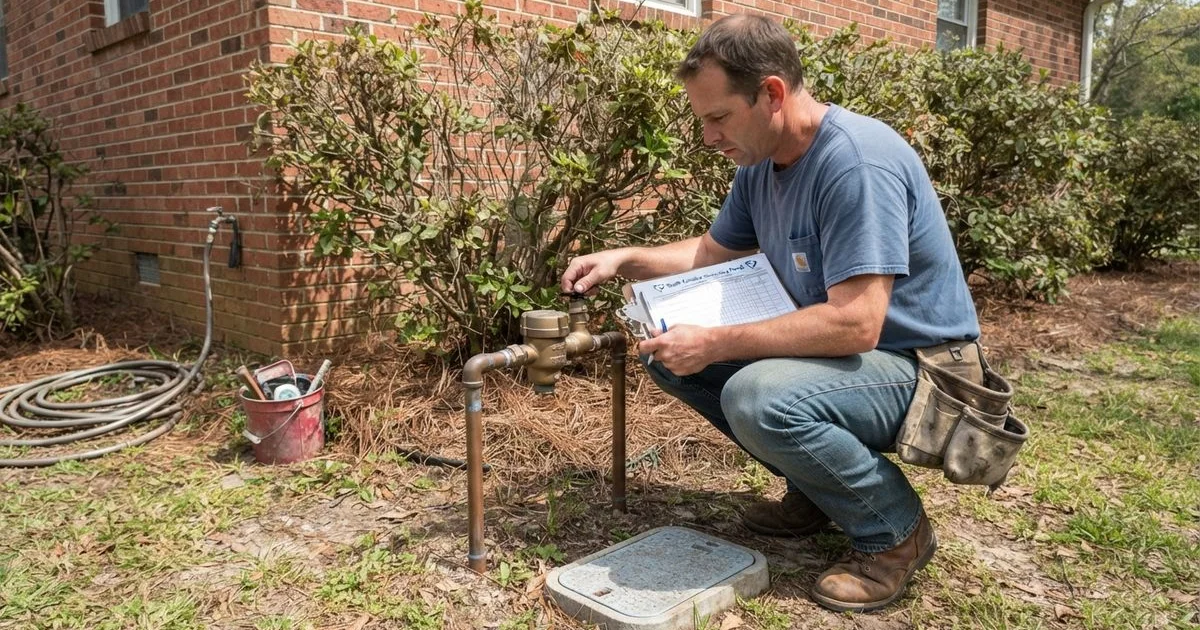
Backflow prevention rules catch a lot of property owners off guard, since the requirement is tied to what kind of connection you have, not just the size of your property. This covers when a backflow preventer is required in South Carolina and what ongoing compliance looks like. This is general information, not legal advice; confirm specific requirements with your local water utility, since rules vary by jurisdiction.
What triggers the requirement
A backflow preventer is generally required wherever a cross-connection exists between the potable water supply and a non-potable source or system. Common triggers include:
- Irrigation or sprinkler systems
- Swimming pools connected to the water supply for filling
- Commercial kitchens and dishwashing equipment
- Fire suppression sprinkler systems
- Any commercial or industrial connection using water for a non-drinking purpose
A standard residential home without any of these connections may not be required to have a backflow preventer at all, while a home with an in-ground irrigation system almost certainly is.
Testing and certification
| Property type | Typical requirement |
|---|---|
| Home with irrigation system | Backflow preventer required, annual testing |
| Commercial property with any cross-connection | Backflow preventer required, annual testing and certification |
| Standard home, no irrigation or pool fill line | Usually not required |
| Fire suppression system | Backflow preventer required, tested per local code |
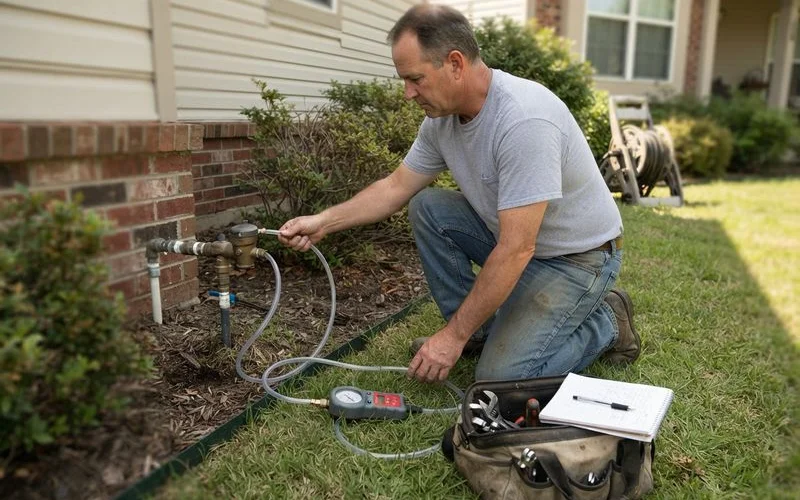
Most jurisdictions require annual testing by a certified tester, with results submitted to the local water utility. This is not a one-time install-and-forget device: valves can fail over time, and testing confirms the device is still functioning as intended.
Why utilities enforce this strictly
A failed backflow preventer creates a real risk of contaminated water siphoning backward into the shared public water supply, beyond your own home. That risk to the broader system is why water utilities take enforcement seriously, including notices and, in persistent cases, water service restrictions for properties that skip required testing.
What to do if you’re not sure you’re compliant
If you have an irrigation system, a pool, or any commercial connection and are unsure whether you have a backflow preventer or when it was last tested, contact your local water utility directly, or ask a licensed plumber to inspect your connections. Getting ahead of a compliance notice is far less hassle than responding to one after the fact. Backflow testing sits alongside, but separate from, the broader permit and licensing rules that cover most other plumbing work; our guide to plumbing permits and licensing in South Carolina covers that wider picture.
Bottom line
Backflow prevention requirements in South Carolina hinge on whether your property has a cross-connection, most commonly irrigation, a pool, or a commercial connection, and most of those require annual testing once installed. Our directory of Columbia plumbers and methodology can help you find a licensed plumber who handles backflow testing and certification.
FAQ
- Do residential homes need a backflow preventer?
- It depends on the connection. A home with an irrigation or sprinkler system typically needs one on that line. A standard home without irrigation, a pool, or other non-potable connections may not be required to have one, though local rules vary.
- How often does a backflow preventer need to be tested?
- Most jurisdictions require annual testing and certification, particularly for commercial properties and irrigation connections. Check with your local water utility for the specific requirement and testing deadline in your area.
- What happens if I don't test or maintain my backflow preventer?
- Water utilities can issue notices, and in some cases restrict or shut off water service, for properties that fail to complete required backflow testing. A failed or untested device also carries a real risk of contaminating the broader water supply if backflow actually occurs.