
Gas line permits and codes in South Carolina: what's required before work starts
By Aisha Abbott · Updated 2026-06-29
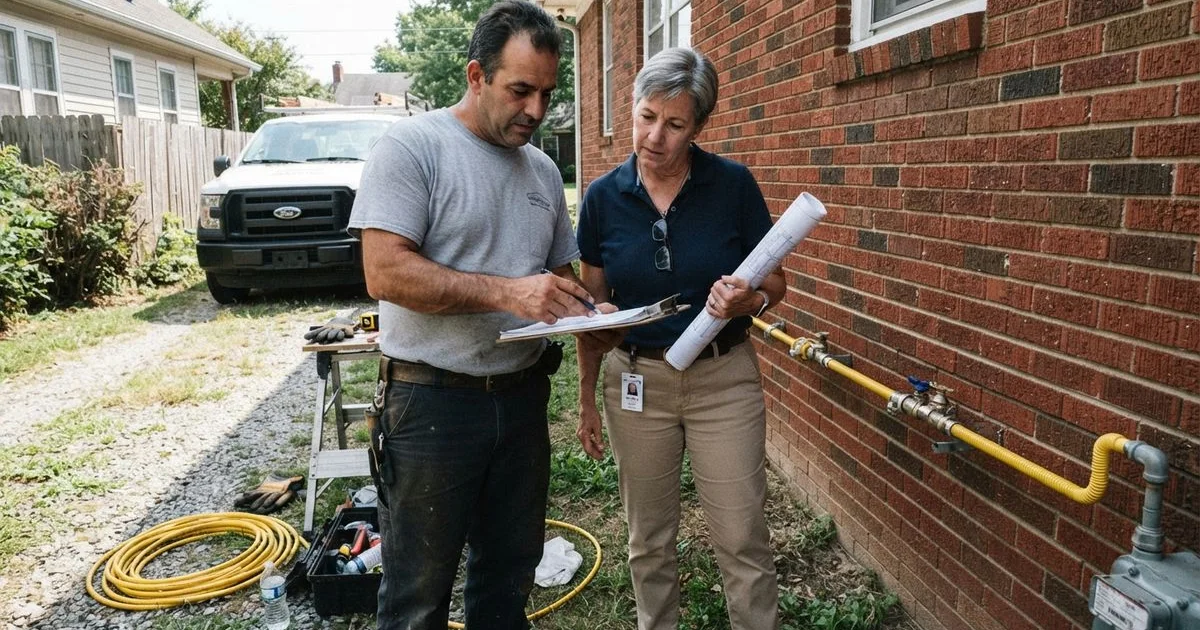
Gas line work sits in a different risk category than most plumbing jobs, and South Carolina’s permitting rules reflect that. This covers what triggers a permit, what an inspector actually checks, and how to confirm your plumber is qualified to do the work legally. This is general information, not legal advice; confirm specific requirements with your local building department, since rules vary by county and municipality. If you have an active leak rather than planned work, see our guide on gas leak warning signs and what to do first.
When a permit is typically required
New gas line installation, extending a line to a new appliance or addition, and major repairs or rerouting generally require a permit and inspection under South Carolina’s adopted building codes. Local jurisdictions, including counties around Columbia like Lexington County, administer their own permitting process, so the exact threshold for what needs a permit can vary by location. When in doubt, ask your plumber whether the specific job you need requires one, and if they are unsure or suggest skipping it to save time, treat that as a red flag given what is at stake with a fuel line.
What an inspector checks
| Check | What it confirms |
|---|---|
| Pipe sizing and material | Line is rated for the gas type and appliance load |
| Pressure test | No leaks anywhere along the new or repaired section |
| Venting | Connected appliances vent properly and safely |
| Clearance and support | Line is properly secured and clear of hazards |
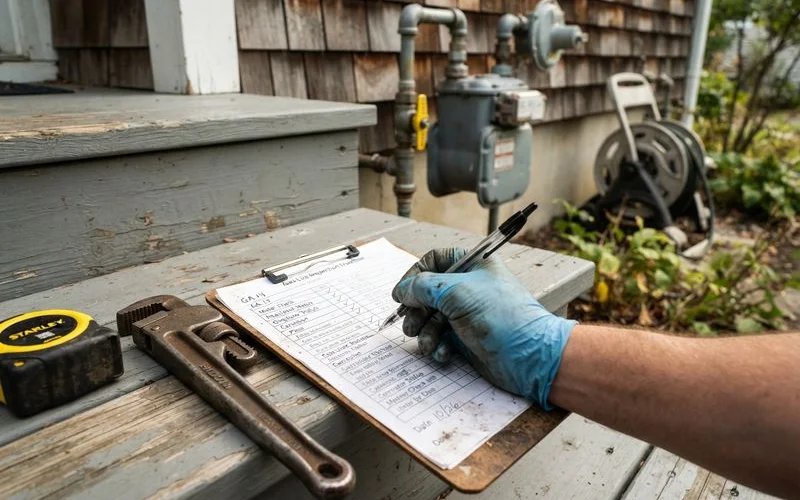
A licensed plumber pressure-tests the line after installation or repair, holding it to confirm there is no drop in pressure before an inspector signs off. This step is not optional corner-cutting territory: it is the primary way anyone confirms the work does not have an active leak before gas flows through it.
Why licensing matters more here
Standard plumbing licensing does not automatically cover gas work in every jurisdiction. Ask directly whether your plumber holds a gas-specific certification in addition to their general plumbing license, and whether they pull permits for gas work in your county. A company that hesitates on either question, or offers to skip the permit to save time, is worth reconsidering given the safety stakes involved.
What happens if the work is unpermitted
Unpermitted gas line work can create problems well beyond the immediate safety risk. It can complicate a home sale, since an inspection during a real estate transaction may flag work that was never permitted or inspected. It can also affect insurance coverage if an incident is later traced to unpermitted work. Getting it done right the first time, with the proper permit and inspection, avoids all of that.
Browse gas line service providers in Columbia who are set up to handle both the work and the permitting process correctly.
Bottom line
Most new gas line installations, extensions, and major repairs in South Carolina require a permit and a pressure-test inspection before the line goes into use. Confirm your plumber holds gas-specific licensing and handles permitting as a standard part of the job, not an optional extra. See our directory of Columbia plumbers and methodology for how we weigh licensing when scoring gas line contractors.
FAQ
- Does every gas line job need a permit?
- New installations, rerouting, and major repairs generally require a permit and inspection in most South Carolina jurisdictions. Minor repairs or appliance swaps on an existing line sometimes do not, but requirements vary by county and city, so confirm with your local building department or your plumber.
- What happens during a gas line inspection?
- An inspector checks that the installed line meets code for pipe sizing, material, and clearance, confirms proper venting for connected appliances, and verifies the line has passed a pressure test showing no leaks before it is approved for use.
- Can I do gas line work myself to save money?
- This is not recommended and is restricted or prohibited in most jurisdictions for anything beyond very minor work. Gas line installation and repair require licensing specific to gas work, and unpermitted gas work can create both a safety risk and a problem when you sell the home.