
Leak damage and mold risk: why fast leak detection matters
By Aisha Abbott · Updated 2026-07-01
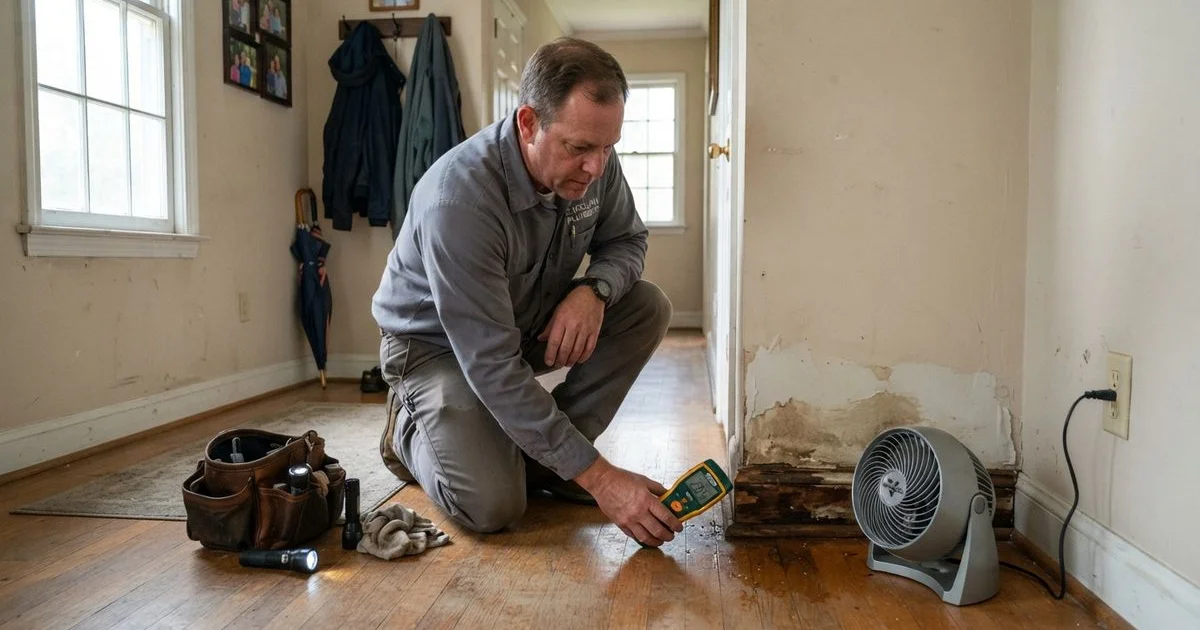
A leak you can see is a nuisance. A leak you cannot see, running behind a wall or under a slab for weeks, is a much bigger problem, and mold is often the first sign something was wrong long before anyone noticed water. This is general safety information, not medical advice; consult a healthcare provider if you suspect mold exposure is affecting your health.
How fast the damage actually spreads
Mold does not need much time or much water to get started. In a damp environment, growth can begin within 24 to 48 hours, particularly on drywall, wood framing, insulation, and carpet padding. A slow, hidden leak that runs for weeks or months gives mold plenty of time to spread well beyond the immediate area of the leak itself, sometimes through wall cavities into rooms that never showed obvious water damage.
Warning signs of a hidden leak
- A musty smell in a specific area of the house with no obvious source.
- An unexplained rise in your water bill with no change in usage.
- Warm or damp spots on flooring, particularly with a slab foundation.
- Discoloration, bubbling, or soft spots on walls or ceilings.
- The sound of running water when every fixture in the house is off.
| Sign | Likely cause | What to do |
|---|---|---|
| Rising water bill, no usage change | Hidden leak somewhere in the system | Schedule professional leak detection |
| Musty smell, no visible water | Leak behind a wall or under flooring | Schedule detection before mold spreads further |
| Warm spot on a slab floor | Possible slab leak | Get acoustic or thermal leak detection |
| Visible mold or discoloration | Leak has likely been present for a while | Address the leak and the mold together |
Why guessing is the wrong approach
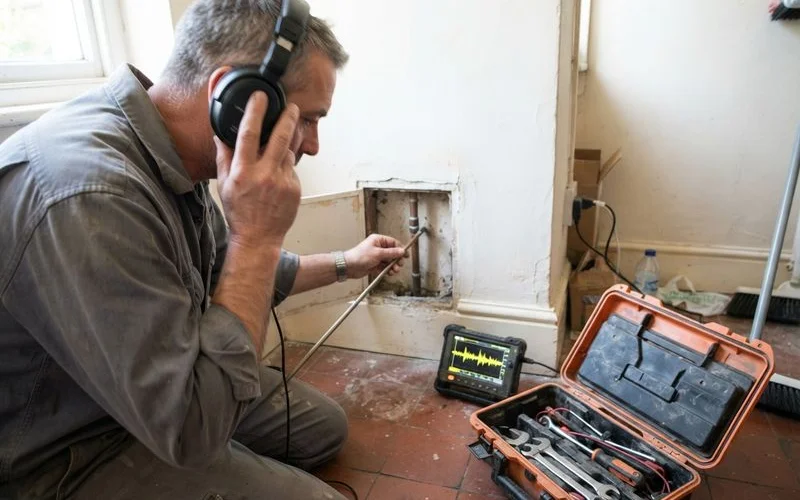
Cutting into walls or flooring to search for a leak without pinpointing it first causes unnecessary damage and cost. Professional leak detection equipment, acoustic listening devices, thermal imaging cameras, or tracer gas, locates the leak’s position before any cutting happens, which limits the repair to the actual problem area rather than a wide search zone.
Health risks tied to mold exposure
Mold exposure can trigger allergy-like symptoms including sneezing, coughing, throat irritation, and skin irritation in some people, and can worsen asthma or other respiratory conditions. Not everyone reacts the same way, and reactions can range from mild to more significant depending on the person and the extent of exposure. If mold has already developed, addressing both the water source and the contaminated materials matters, since drying the area without removing affected drywall or insulation may not fully resolve it. Mold is not the only water-related health hazard a home can face; a sewage backup carries its own risks that call for a different response.
Getting ahead of it
If you notice any of the warning signs above, do not wait to see if it resolves on its own. A leak that is caught early is a plumbing repair. A leak that goes unnoticed for months can turn into a plumbing repair plus a mold remediation project. Search leak detection and repair specialists in Columbia if you suspect a hidden leak anywhere in your home.
Bottom line
Hidden leaks can lead to mold growth within days, not months, which makes fast, accurate leak detection worth the cost compared to guessing or waiting. Our directory of Columbia plumbers and methodology can help you find a provider equipped with the right detection tools for the job.
FAQ
- How fast does mold actually grow after a leak?
- Mold can begin growing within 24 to 48 hours in a damp environment, especially on porous materials like drywall, insulation, and wood. That short window is why catching a leak early matters more than most homeowners expect.
- Can a hidden leak cause health problems even before you see mold?
- Yes. Chronic damp conditions can trigger allergy and respiratory symptoms in some people even before visible mold appears, since spores and musty odors can develop before growth is obvious to the eye.
- How does a plumber find a leak that isn't visible?
- Professional leak detection uses acoustic listening equipment, thermal imaging, or tracer gas to locate a leak without guessing, which avoids unnecessary demolition and finds leaks behind walls, under slabs, or underground before they cause extensive damage.