
Sewage backup health risks and how to stay safe until help arrives
By Aisha Abbott · Updated 2026-06-24
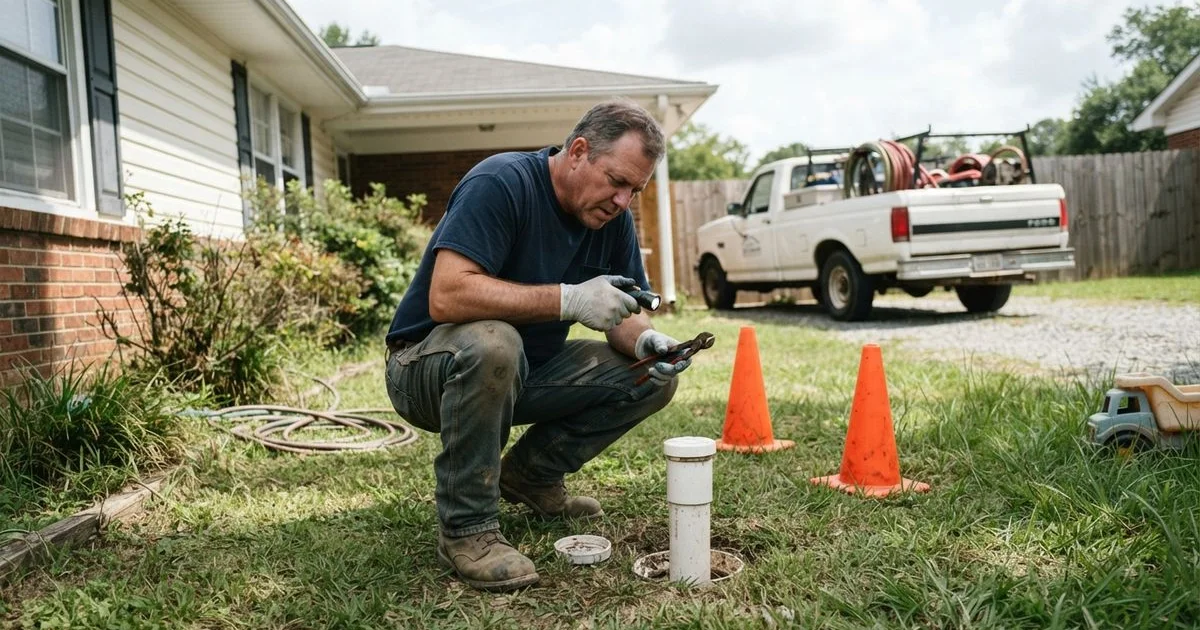
A sewage backup is not just an unpleasant mess, it carries real health risk, and treating it with the same casualness as a clogged sink is a mistake. This guide covers what makes it dangerous and how to limit exposure while you wait for a plumber. This is general safety information, not medical advice; contact a healthcare provider if you or a family member develops symptoms after exposure.
Why sewage is a health hazard
Raw sewage carries bacteria, viruses, and parasites that can cause gastrointestinal illness, skin infections, and respiratory irritation. Unlike a clean water leak, contact with sewage water, or even the residue it leaves behind after drying, poses a genuine infection risk, especially through open cuts, the eyes, nose, or mouth.
What to do right away
- Keep people and pets away from the affected area. Do not let children or pets near standing water or contaminated surfaces.
- Do not use sinks, toilets, or the dishwasher until the blockage is cleared, since running more water can make the backup worse or spread it further.
- Ventilate if possible. Open windows or run a fan to reduce airborne contaminants, without spreading them to unaffected rooms.
- Avoid direct contact. If you must be near the area, wear rubber gloves and avoid touching your face.
Health risks and how to reduce them
| Risk | Why it matters | How to reduce it |
|---|---|---|
| Bacterial and viral infection | Sewage carries pathogens like E. coli and norovirus | Avoid direct contact, wash hands thoroughly if exposed |
| Respiratory irritation | Airborne particles and mold growth after standing water | Ventilate the area, avoid prolonged exposure |
| Skin infection | Open cuts exposed to contaminated water | Wear gloves, cover open wounds, wash immediately if exposed |
| Mold growth | Develops within 24-48 hours in wet materials | Dry the area quickly, remove soaked porous materials |
Why this often happens after heavy rain
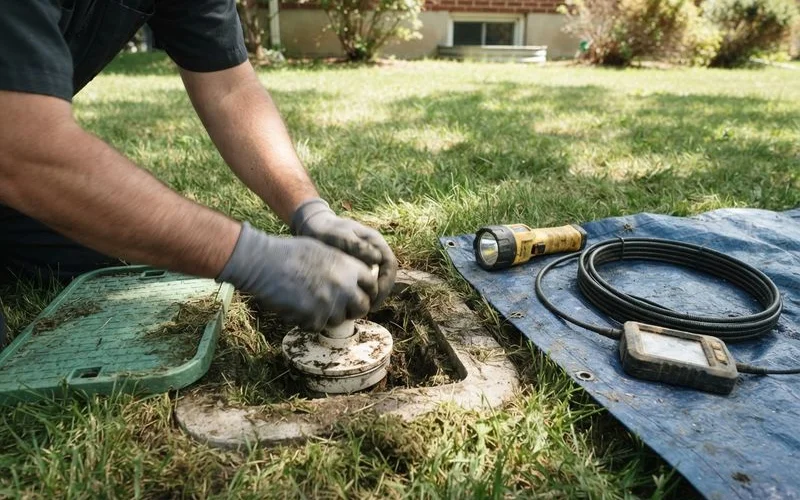
In parts of Columbia with older or lower-lying sewer infrastructure, heavy rain can overwhelm the municipal sewer main, pushing wastewater back into homes through the household lateral line. This is a different cause than a clog inside your own plumbing, and it usually means multiple homes in the same area are affected at the same time. A backwater valve, installed on your sewer lateral, is the main way to prevent this specific type of backup from recurring.
When to call for help beyond a plumber
If the backup is extensive, has reached carpet, drywall, or HVAC systems, or has been sitting for more than a few hours, a water damage restoration company with sewage-cleanup experience may be needed in addition to a plumber who clears the blockage itself. Trying to fully clean and dry a large contaminated area without the right equipment risks leaving contamination or mold behind. For a sense of what the plumber’s visit itself involves, see our guide to a drain cleaning appointment. Find drain and sewer cleaning specialists in Columbia who can diagnose whether the cause is inside your home’s plumbing or tied to the municipal line.
Bottom line
Sewage backup is a health hazard first and a cleanup job second. Keep people and pets away from the area, avoid direct contact, and call a plumber promptly rather than trying to run more water through the system. For anything beyond a minor, easily disinfected surface, bring in a restoration professional alongside the plumber. See our directory of Columbia plumbers and methodology to compare who responds fastest to this kind of call.
FAQ
- Is it safe to clean up sewage backup myself?
- Minor splashes on hard, easily disinfected surfaces can be handled with gloves, a mask, and proper disinfectant, but any significant backup, especially onto carpet, drywall, or upholstered furniture, is safer left to a professional water damage or restoration company. Raw sewage carries pathogens that basic cleaning does not fully address.
- What are the signs a sewage backup is making someone sick?
- Nausea, diarrhea, skin irritation, or respiratory symptoms after exposure to a backup area can indicate illness from contaminated water. If symptoms appear, especially in children, older adults, or anyone with a weakened immune system, contact a healthcare provider.
- Can a backwater valve prevent this from happening again?
- In many cases, yes. A backwater valve is a one-way valve installed on your sewer line that blocks sewage from flowing backward into your home during a municipal line surcharge, which is a common cause of repeat backups in some neighborhoods.